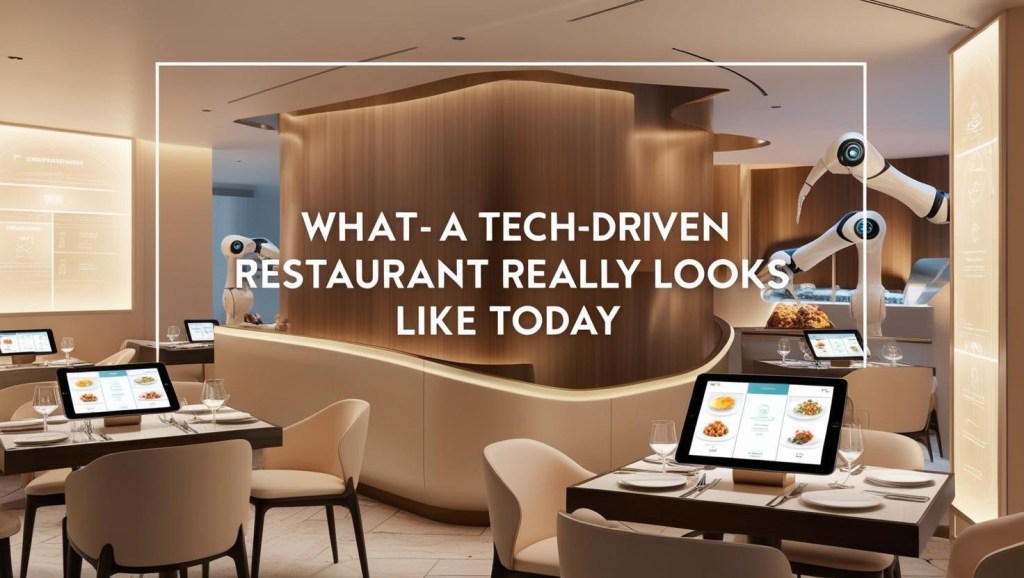
The restaurant industry is changing rapidly as digital technologies reshape how businesses operate and how customers interact with them. From online reservations to real-time data analytics, digitization is no longer a luxury. It has become a core part of running a successful and efficient food business.
A fully digitized restaurant integrates smart technology across every touchpoint. This includes front-of-house service, kitchen operations, customer engagement, and decision-making processes. Embracing digital transformation improves customer satisfaction, reduces operational costs, and helps businesses stay competitive in a fast-evolving market.
In this blog, we will explore what a digitally transformed restaurant looks like today. You will learn how modern tools and systems are working together to deliver seamless service, boost efficiency, and drive long-term growth.
Front-of-House: A Seamless Guest Experience
The customer experience begins at the front of the restaurant, and digital tools are now leading every part of that journey. From table booking to payment, a fully digitized restaurant offers a smooth and modern guest experience.
Online Reservations and Digital Waitlists
- Customers book through platforms or directly via a restaurant’s website.
- Automated confirmations and real-time updates reduce confusion and no-shows.
- Digital waitlists notify guests through text or app alerts when their table is ready.
QR Code Menus and Digital Ordering
- Guests scan a QR code to access the menu on their smartphones.
- Menus include detailed descriptions, pricing, and photos to support upselling.
- In some setups, customers can place orders directly from their devices, cutting down on wait times and staff workload.
Mobile Payment Systems
- Guests use contactless payment methods, including mobile wallets and pay-at-table solutions.
- Many systems support split payments, tipping, and digital receipts.
- This speeds up the checkout process and improves table turnover.
With these digital tools in place, the front-of-house team delivers a faster, cleaner, and more personalized service that meets the expectations of today’s tech-savvy diners.
Back-of-House: Tech-Driven Efficiency
The back-of-house is the engine of any restaurant, and in a fully digitized restaurant, it runs with precision. Technology streamlines kitchen operations, inventory management, and staff coordination, allowing teams to focus on delivering quality food efficiently.
Kitchen Display Systems (KDS)
- Traditional paper tickets are replaced by digital kitchen screens.
- Orders appear in real time, improving communication between the front and back-of-house.
- Reduces human error and ensures faster order processing.
Inventory and Supply Chain Automation
- Inventory software tracks stock levels automatically and alerts managers when supplies run low.
- Helps minimize food waste and avoid unexpected shortages.
- Some systems also forecast demand based on past sales, simplifying restocking.
Staff Scheduling Software
- Managers use digital tools to create and share staff schedules.
- Employees can swap shifts, request time off, or clock in using mobile apps.
- This improves labor planning and reduces scheduling conflicts.
When digital tools are used effectively in the back-of-house, restaurants benefit from lower costs, fewer mistakes, and a more organized workflow. These systems turn day-to-day tasks into smooth, predictable processes.
Digital Marketing and Customer Engagement
A fully digitized restaurant does not stop at in-house operations. It actively connects with customers before and after their visit using smart marketing tools. Digital engagement builds loyalty, increases repeat business, and strengthens the restaurant’s brand presence.
Loyalty Programs and CRM Systems
- Restaurants use Customer Relationship Management (CRM) systems to collect and organize guest data.
- Personalized loyalty programs offer rewards, discounts, or exclusive access based on customer behavior.
- These tools support targeted marketing campaigns that encourage return visits.
Social Media Integration and Review Management
- Automated tools schedule and publish content across platforms like Instagram, Facebook, and TikTok.
- Restaurants track engagement, respond to comments, and manage online reputation in one place.
- Review management systems collect feedback from platforms such as Google and Yelp, helping owners respond quickly and improve service quality.
Email and SMS Campaigns
- Digital marketing tools allow restaurants to send promotional offers, updates, or event invites directly to customers.
- These messages are often triggered by customer actions or visit history for better impact.
- Open rates and engagement metrics help refine the strategy over time.
By combining these tools, a digitally enabled restaurant stays connected to its customers, builds long-term relationships, and stays top of mind in a competitive market.
Data and Analytics: The New Ingredient for Growth
In a fully digitized restaurant, data is more than just numbers. It becomes a strategic tool for smarter decision-making, improved performance, and continuous growth. Advanced analytics platforms help restaurant owners understand their operations at a deeper level.
Real-Time Dashboards
- Managers access live dashboards that track key metrics such as sales, labor costs, and table turnover.
- These dashboards give a complete picture of daily operations at a glance.
- Instant access to data supports quick adjustments and better planning.
AI-Powered Insights
- Some systems use artificial intelligence to analyze trends and recommend changes.
- These recommendations may include adjusting prices, modifying menu items, or shifting staffing patterns.
- Predictive analytics helps restaurants stay ahead of demand and reduce inefficiencies.
Feedback and Sentiment Analysis
- Digital feedback tools collect guest opinions through in-app or SMS surveys.
- Advanced systems scan these responses to identify patterns and measure customer sentiment.
- This helps restaurants spot areas for improvement and respond to guest needs faster.
By turning raw data into useful insights, a digitally advanced restaurant can make informed decisions that improve service, increase revenue, and build stronger customer relationships.
Conclusion
The restaurant industry is evolving, and technology is driving that change. A fully digitized restaurant uses smart systems across every area of operation, from guest interactions to kitchen management and long-term planning. These tools are not just convenient. They are essential for meeting modern customer expectations and running a profitable business.
Digitization helps restaurant owners improve efficiency, reduce costs, and build stronger relationships with their guests. While the transition may seem complex, it does not have to happen all at once. By starting with a few key tools and expanding over time, food businesses can adapt with confidence.
Restaurants that invest in digital transformation today are better prepared to face the challenges of tomorrow. They are not just keeping up with the industry. They are setting the standard for what modern dining should be.
 RestaurantBizzTech